
Chris combines technical engineering expertise with hands-on operations experience to drive effective wastewater solutions
The "Formal" Bio
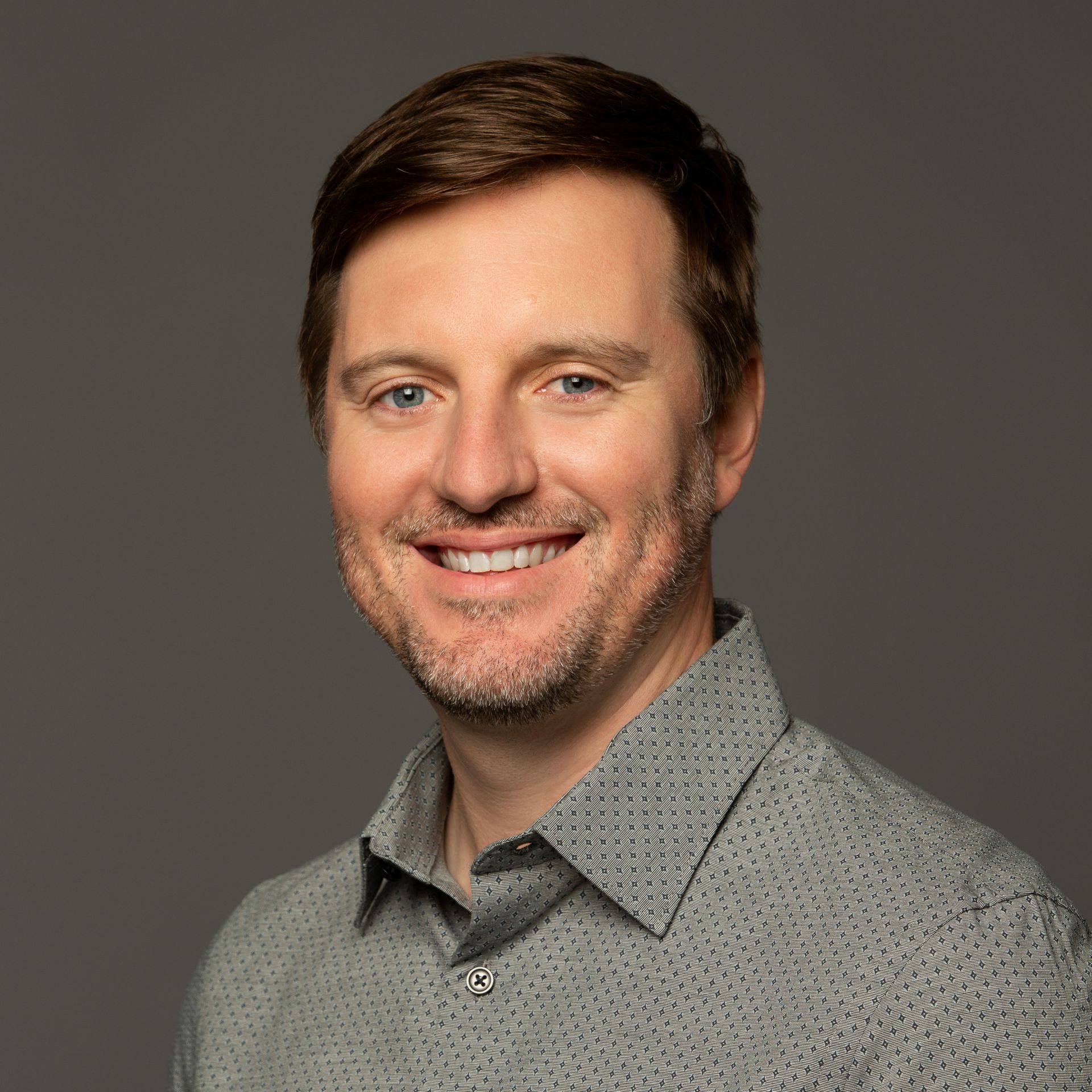
Chris Andres earned his BS and MS in civil engineering from Purdue University. He is a licensed professional engineer and licensed wastewater operator with over 15 years' experience in the wastewater industry. Chris has led and supported the planning, design, construction, and operation of treatment systems ranging in size from 0.3 to 300 MGD throughout the Eastern USA. His technical specialties include process and hydraulic modeling, pilot/bench-scale/field treatability studies, asset management, and O&M support accrued through work on both the public and private sectors.
My Story
I discovered the wastewater field through a summer engineering internship. I started the summer wanting to make a few bucks and ended it with the beginning of a career. I graduated college with an advanced degree in civil/environmental engineering and immediately jumped into the consulting field to help solve treatment challenges. Over the years I amassed a resume for solving problems related to wet-weather, nutrient removal, resource recovery, and process optimization.
Having developed a passion for operations, I left consulting to join a utility where I served as an Operator in Responsible charge for an 18 MGD BNR facility and led a team that consistently produced high quality effluent, reclaim water, and Class A biosolids. This experience reinforced my understanding of the daily challenges and realities of wastewater operations. I received the 2AM phone call, felt the pressure of bumping up against a permit value, and faced the various challenges of leading a diverse team. That experience is the source of some of my fondest professional memories (and nightmares).
As an operator, I found it incredibly difficult and frustrating to find quality training options to satisfy my and my team’s operator license continuing education requirements. Limited topics, shift coverage and travel requirements, poor presenters, and the occasional instance of the content just being plain wrong were all barriers I experienced. In my opinion this “learning” experience is a disservice to operators. We are intelligent people, we serve critical roles in the industry/community, and most of us genuinely want to understand what is going on at the plant so we can do our job well and grow professionally. So I decided to do something about it. FLUSHED is all about removing barriers and giving wastewater professionals access to a learning experience we deserve.
Having developed a passion for operations, I left consulting to join a utility where I served as an Operator in Responsible charge for an 18 MGD BNR facility and led a team that consistently produced high quality effluent, reclaim water, and Class A biosolids. This experience reinforced my understanding of the daily challenges and realities of wastewater operations. I received the 2AM phone call, felt the pressure of bumping up against a permit value, and faced the various challenges of leading a diverse team. That experience is the source of some of my fondest professional memories (and nightmares).
As an operator, I found it incredibly difficult and frustrating to find quality training options to satisfy my and my team’s operator license continuing education requirements. Limited topics, shift coverage and travel requirements, poor presenters, and the occasional instance of the content just being plain wrong were all barriers I experienced. In my opinion this “learning” experience is a disservice to operators. We are intelligent people, we serve critical roles in the industry/community, and most of us genuinely want to understand what is going on at the plant so we can do our job well and grow professionally. So I decided to do something about it. FLUSHED is all about removing barriers and giving wastewater professionals access to a learning experience we deserve.
Highlights of My Experience
Achieve your goals
Work with Chris
Dewater Better & Save with my 8-Step Guide
Based on my experience around the country there's usually a ton of opportunity for WWTPs to improve dewatering practices, increase performance, and lower operating costs. If you have a good guide, this is a challenge that can be tackled with onsite O&M staff. So, that's what I created an 8-Step Optimization Guide. Implement the steps on your time and schedule and capture all the benefits.