
The Blog
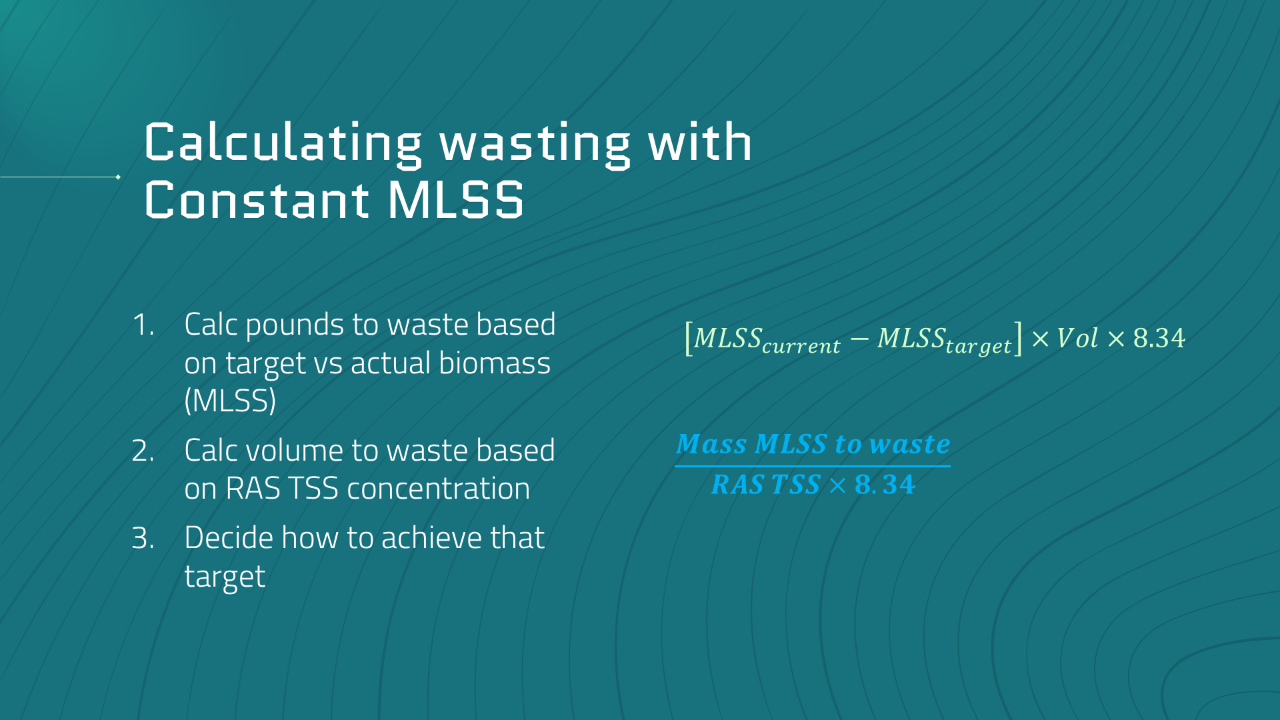
Proper wasting control helps operators respond effectively to changing conditions, and sometimes avoid a reaction altogether. There are three common control strategies for wasting and by far the most...
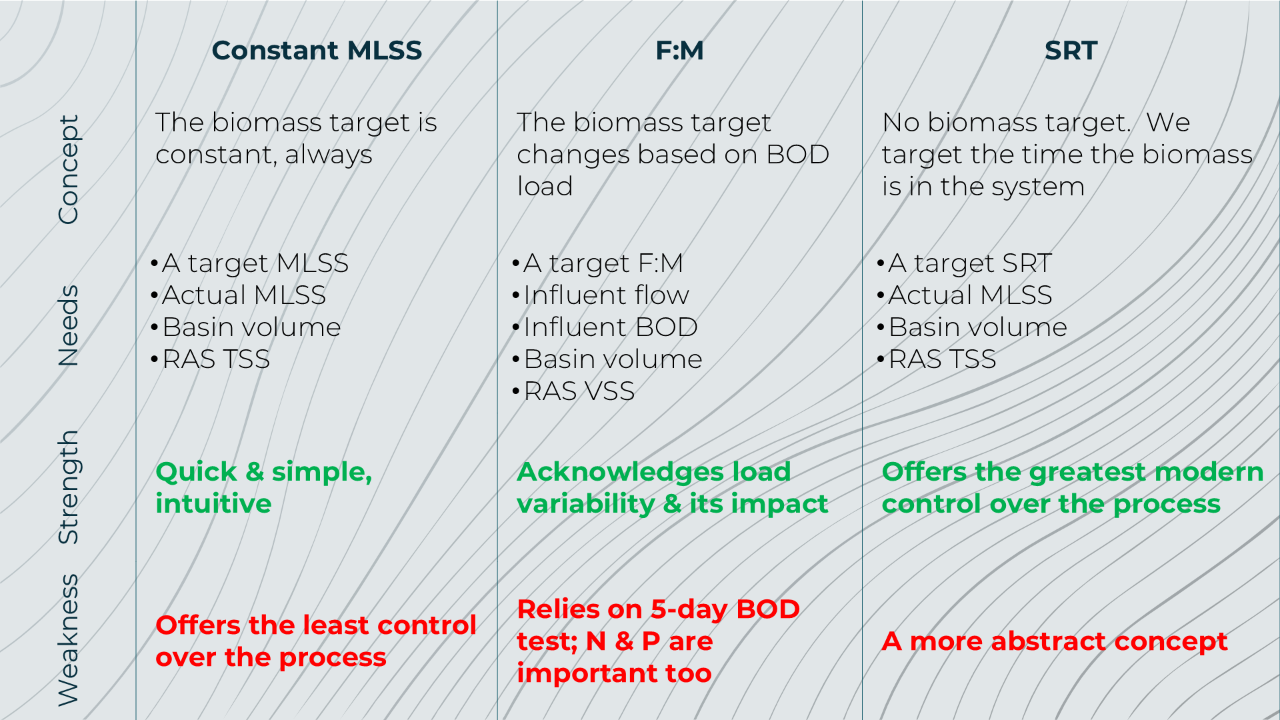
Understanding different wasting control strategies helps operators respond effectively to changing conditions, maintain effluent quality, and manage costs. A deeper knowledge turns the routine task of...
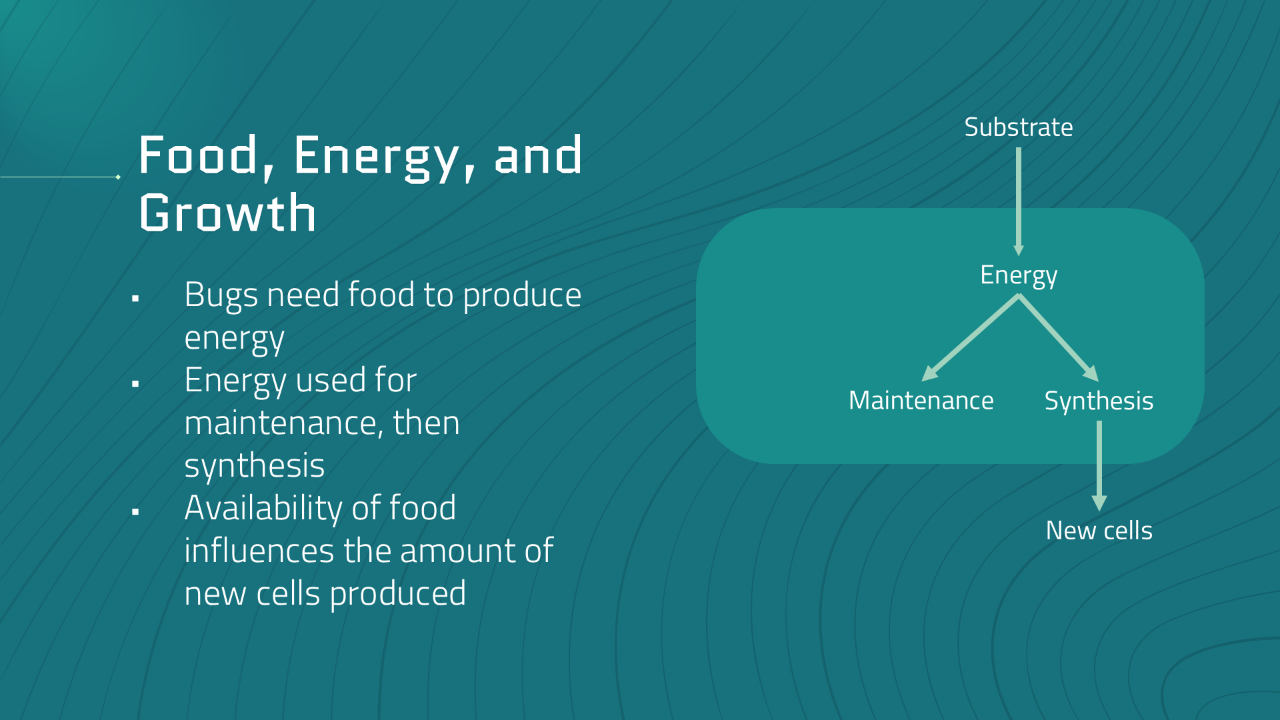
Understanding how microbes use energy fosters a deeper understanding of microbial behavior and empowers operators to make smarter, more strategic decisions that optimize plant performance. In the acti...
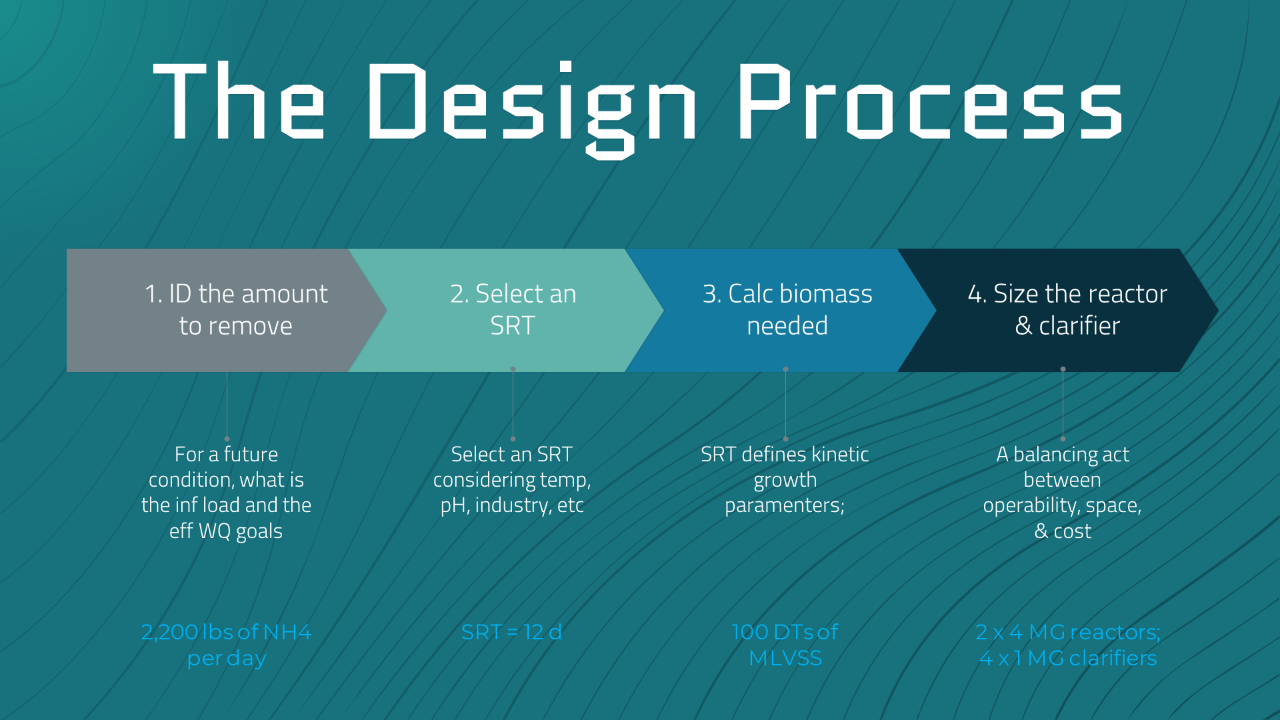
The O&M manual and/or design drawings for a wastewater treatment facility should include a basis of design documenting the design SRT, MLSS concentration, and F:M ratio, along with Raw influent flows ...
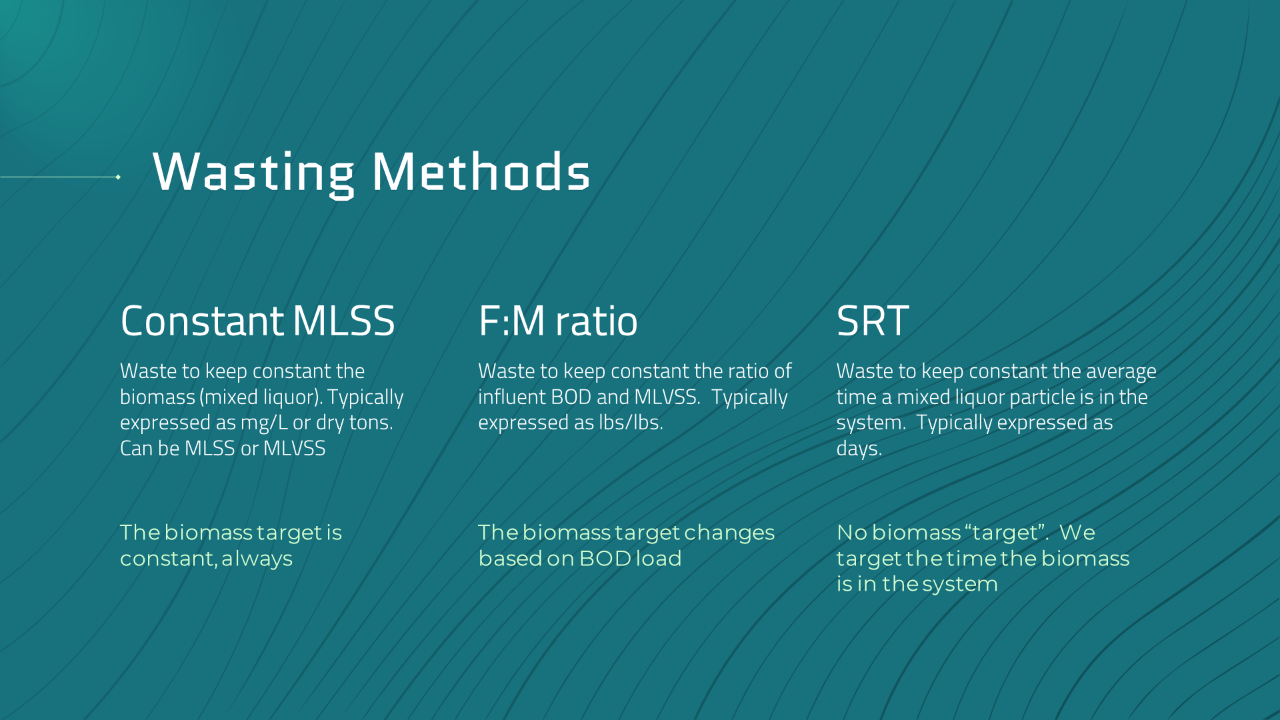
There are three key biological design variables for the activated sludge process: Solids Retention Time (SRT), mixed Liquor Suspended Solids (MLSS) concentration, Food to Mass Ratio (F:M). Either can ...
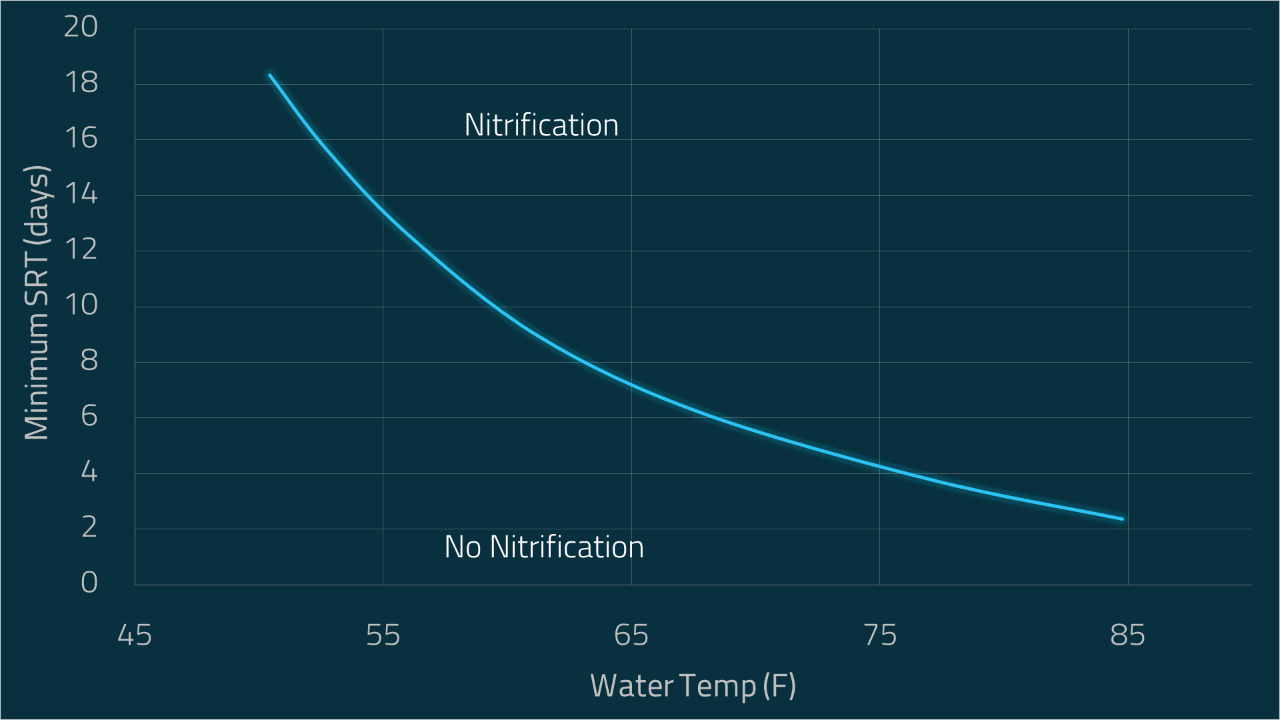
The target or operating solids retention time (SRT) depends on treatment goals and water temperature. Nitrifying bacteria are especially sensitive to water temperatures; growth rates slow as temperat...
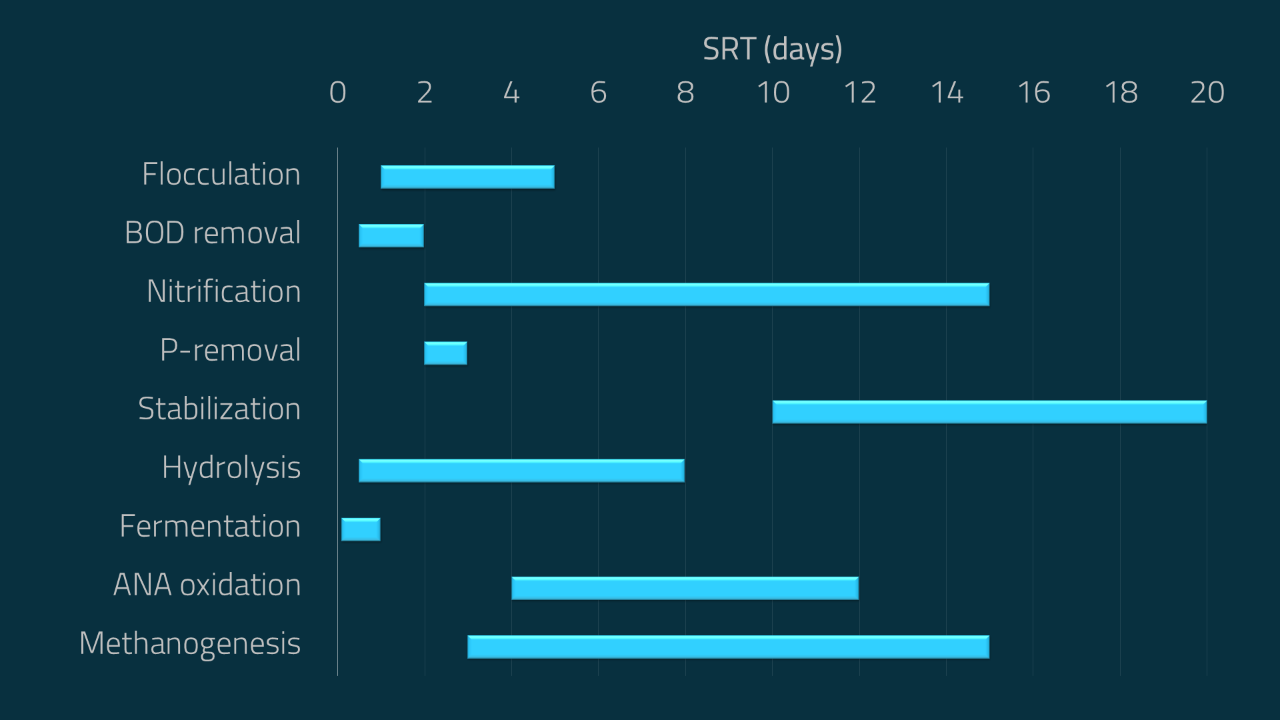
Solids Retention Time (SRT) is directly related the growth rate of the biology we are relying on for treatment. Different microorganisms grow at different rates. Nitrifiers in particular are known t...

Solids Retention Time (SRT) is the average time the biomass stays in the activated sludge system…the time in days a particle moves around in the aeration basin and clarifier before being wasted out of...
Controlling the amount of microorganisms in the activated sludge process is critical to performance. The best way to do this is to maintain a target Solids Retention Time (SRT). The target for your ...
Author